PicoWay® Laser
Pigment correction in Vancouver
Remove unwanted pigmentation without significant downtime
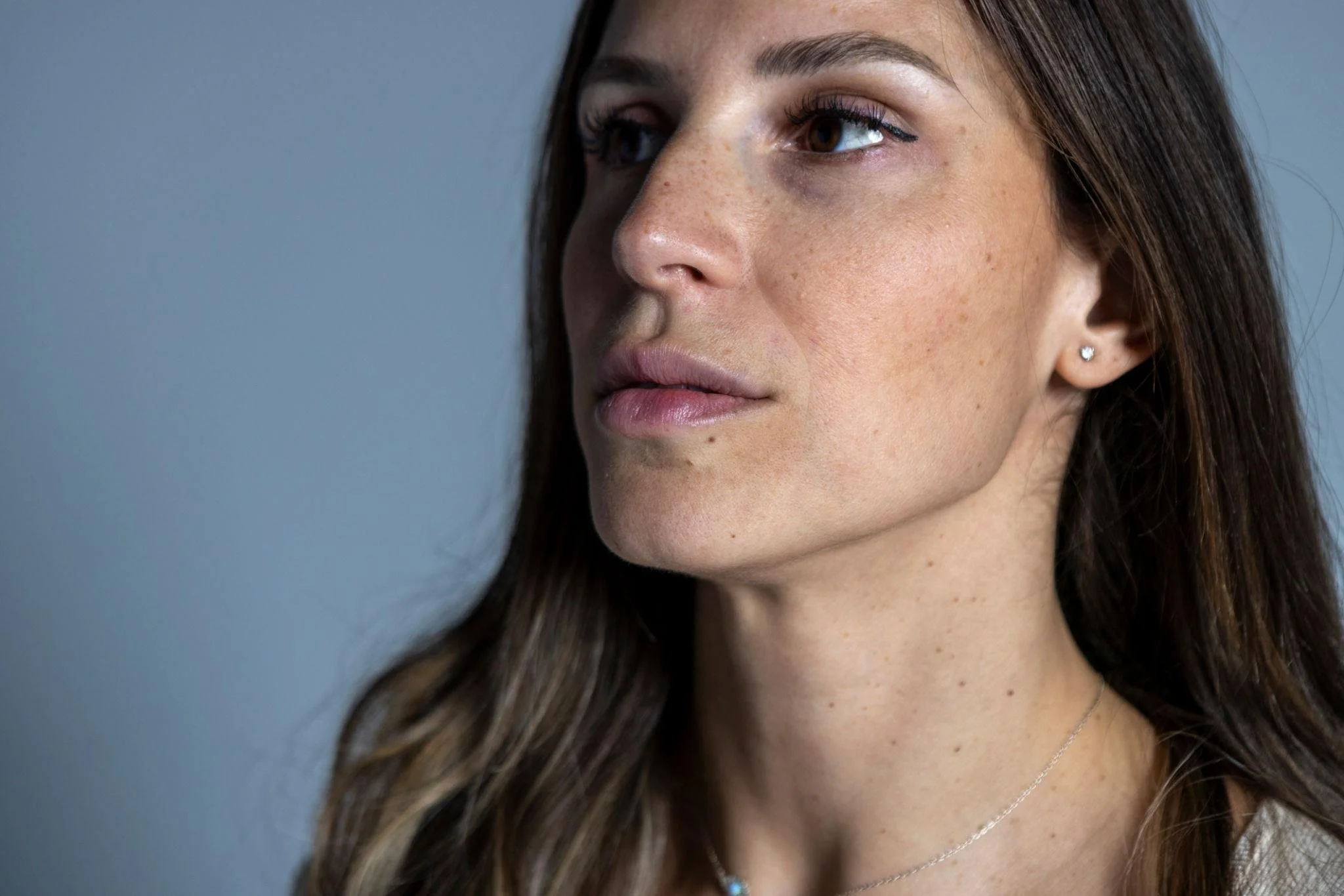
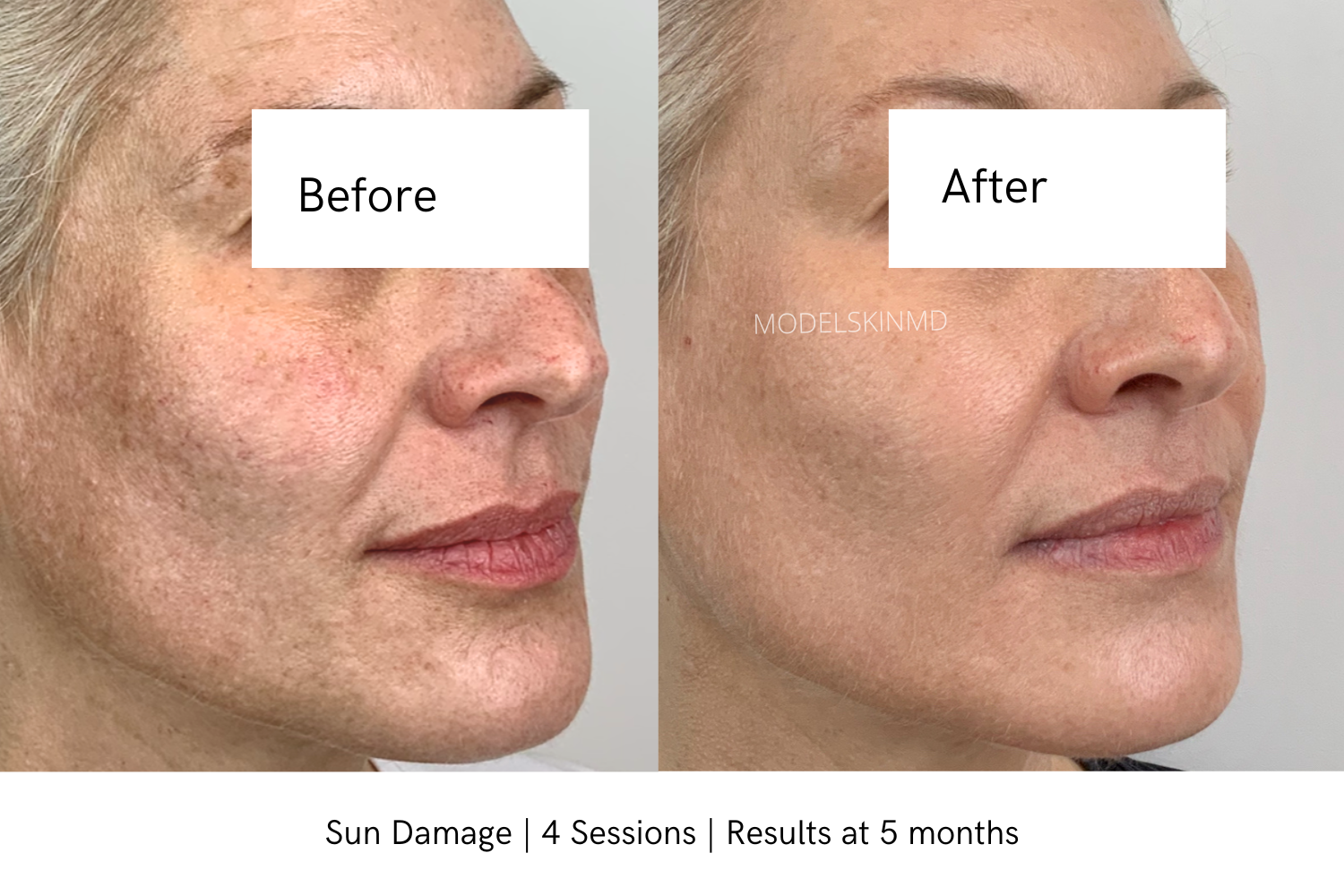
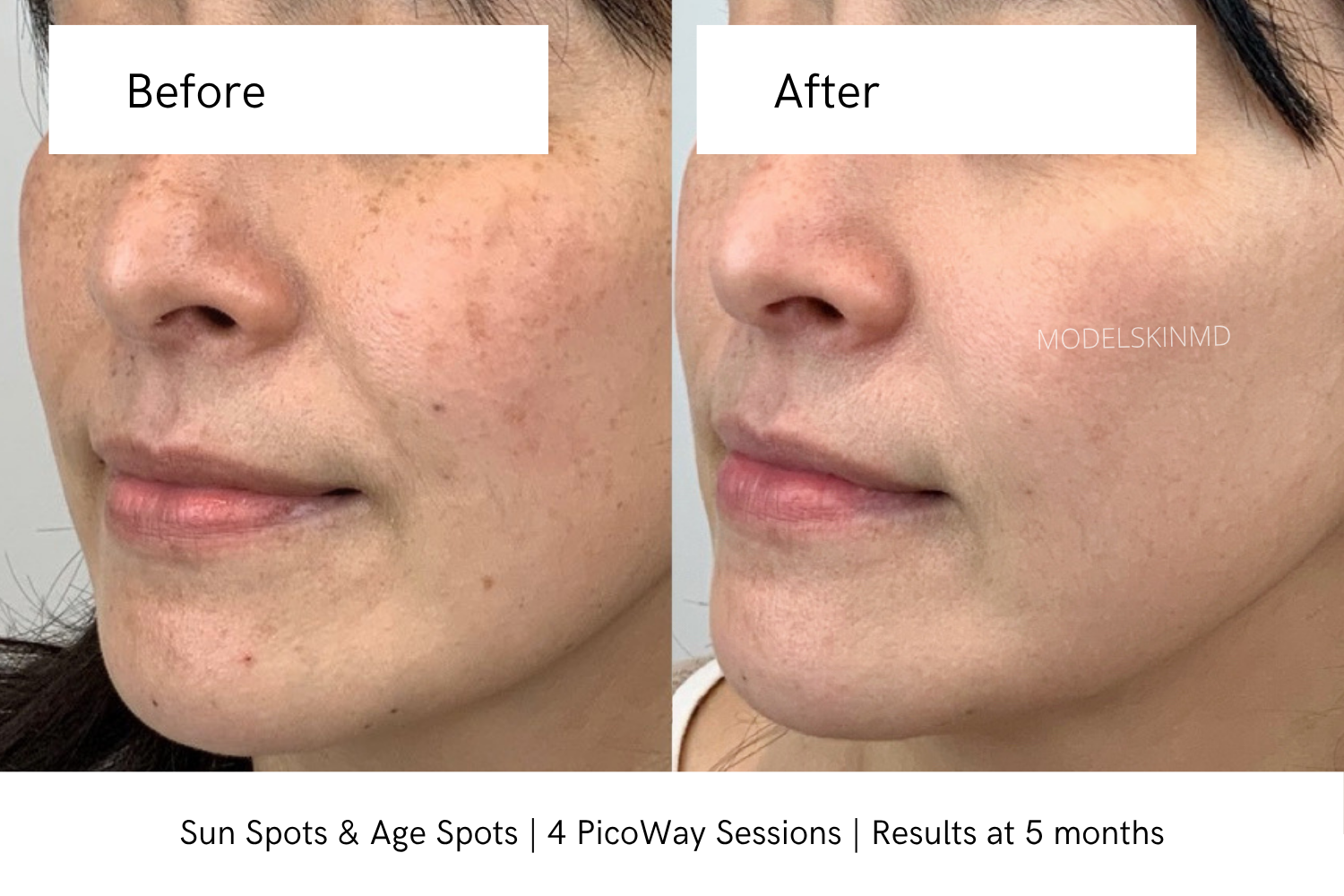
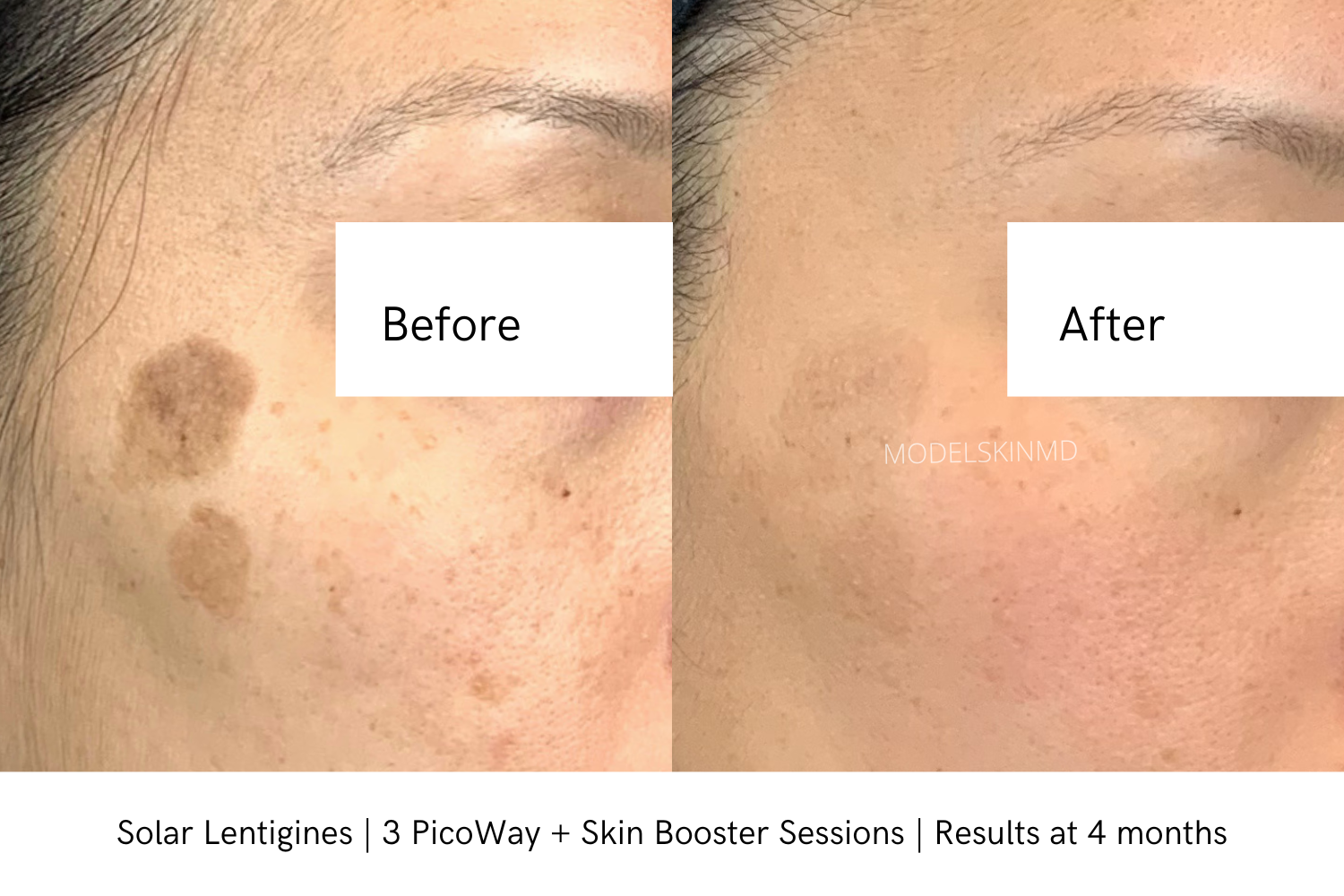
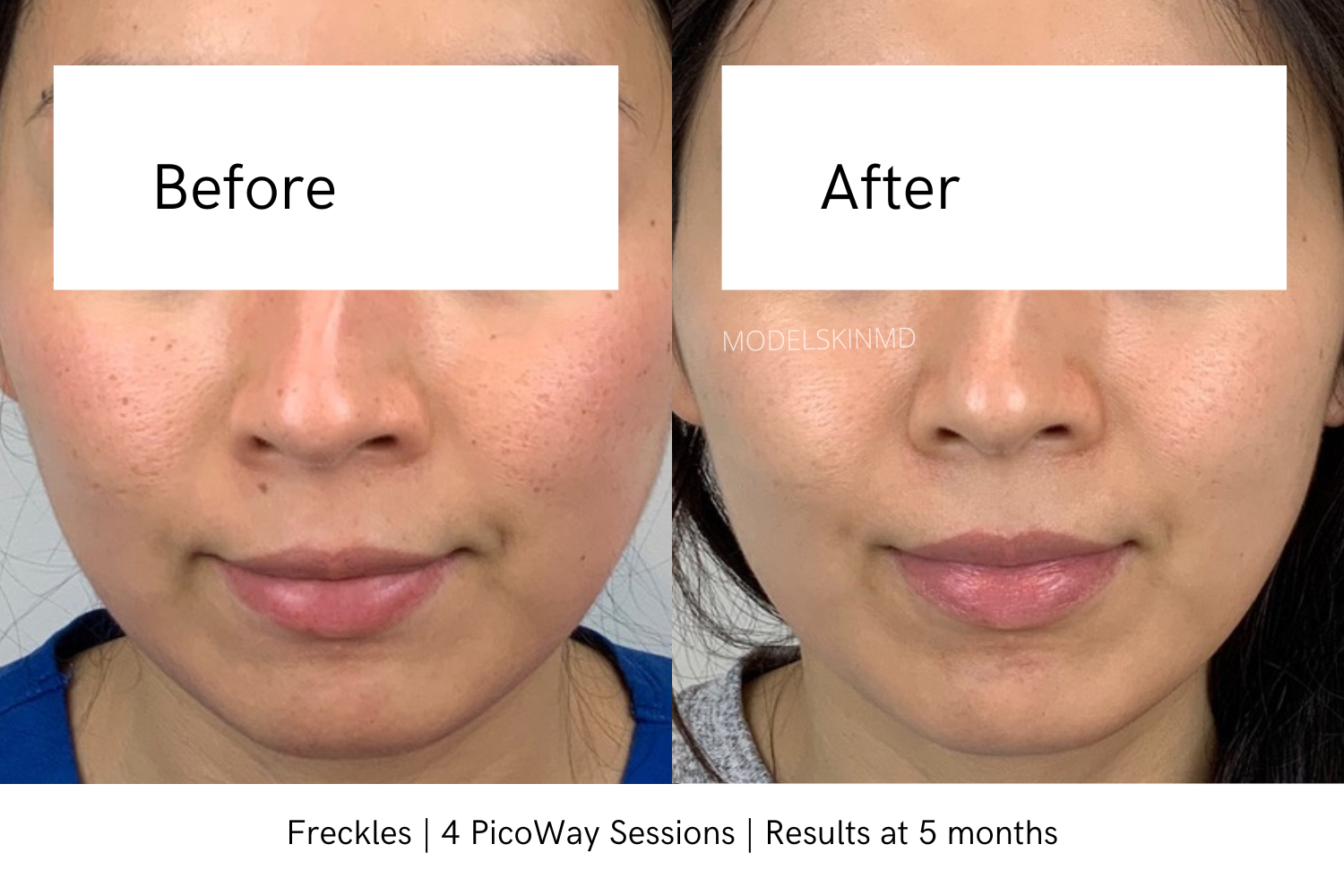
Sunspots & freckles
Brown round or oval shaped pigments, commonly seen on the cheeks and nose bridge.
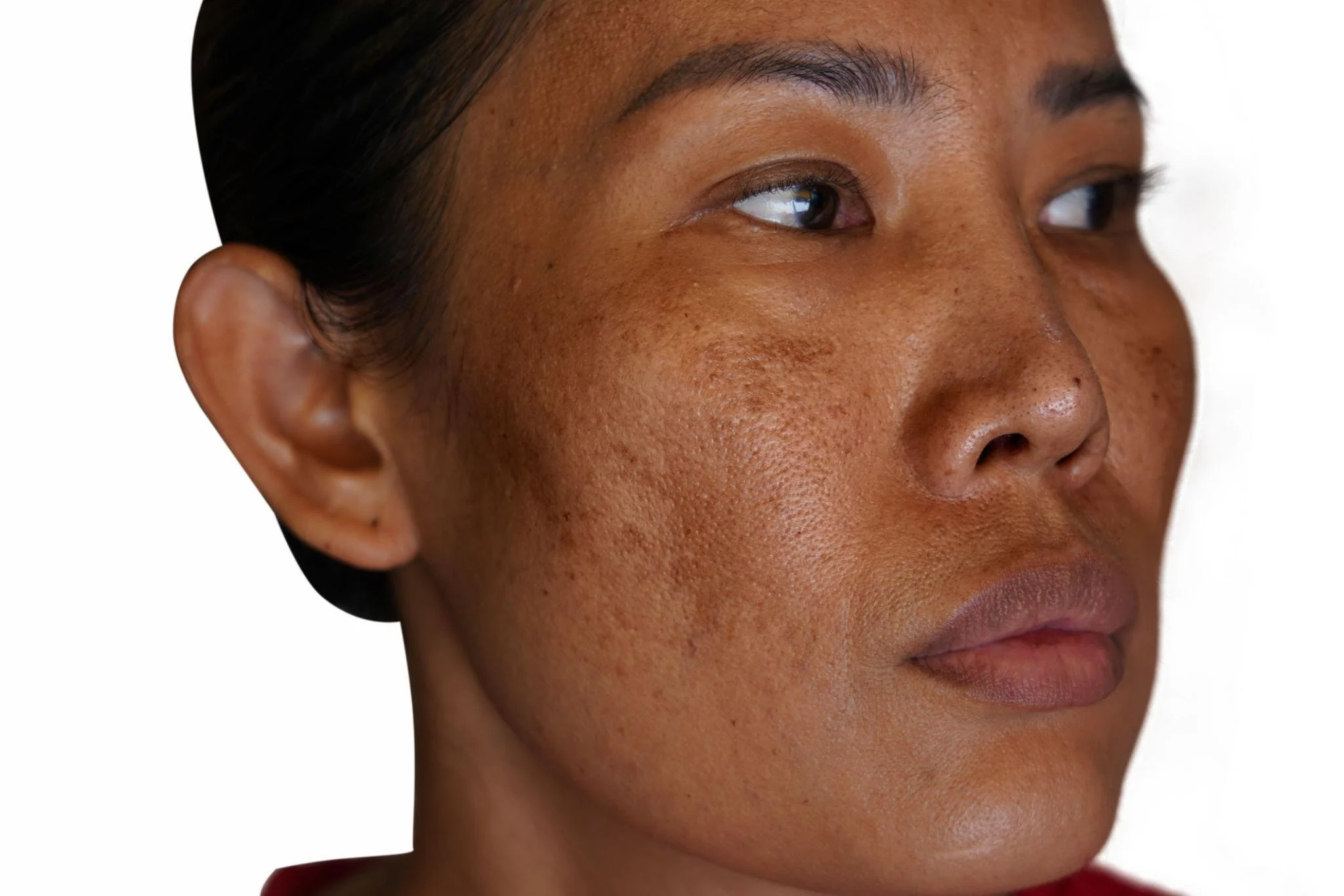
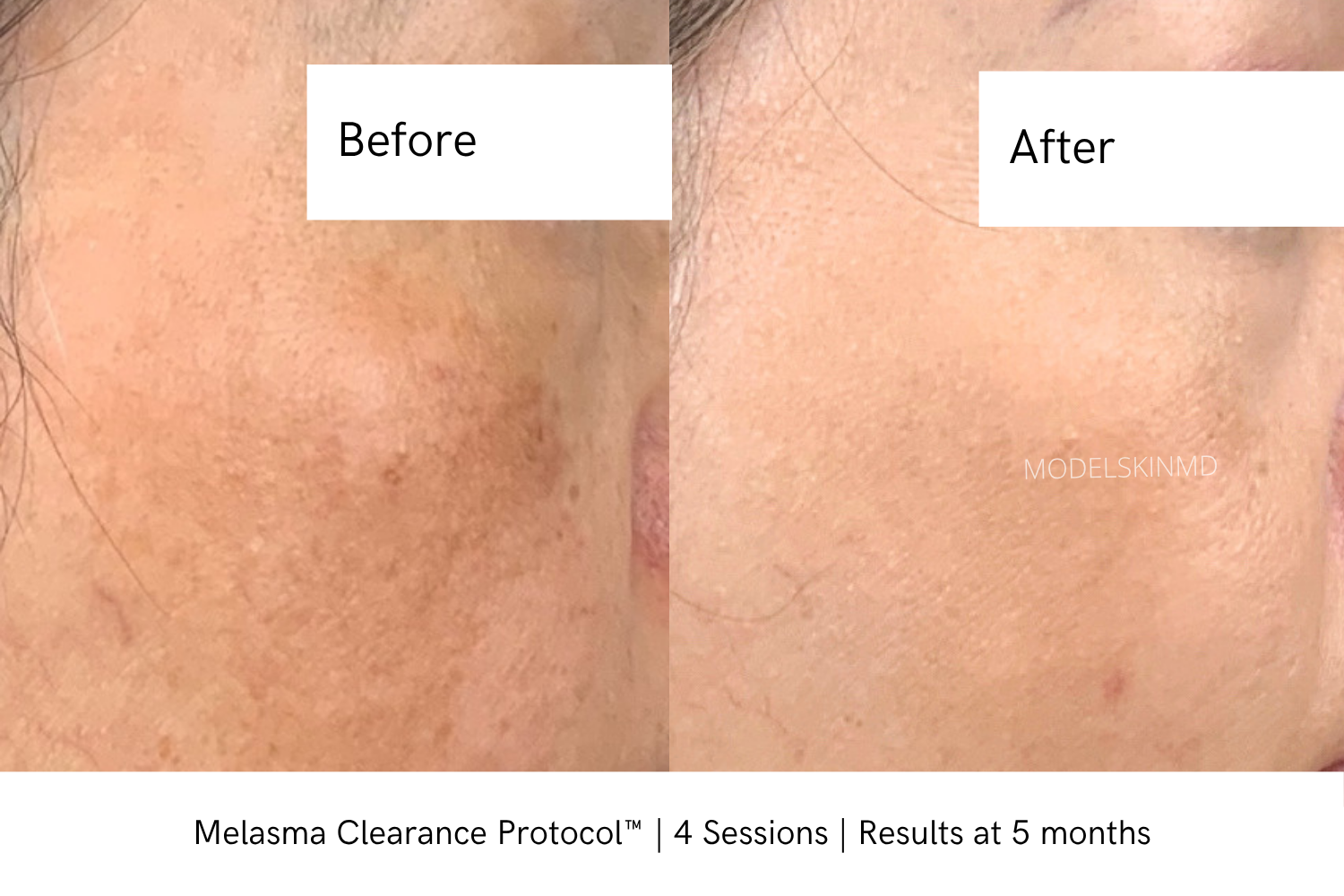
Melasma
Patchy brown pigmentation, commonly seen on the cheeks, forehead, and upper lip.
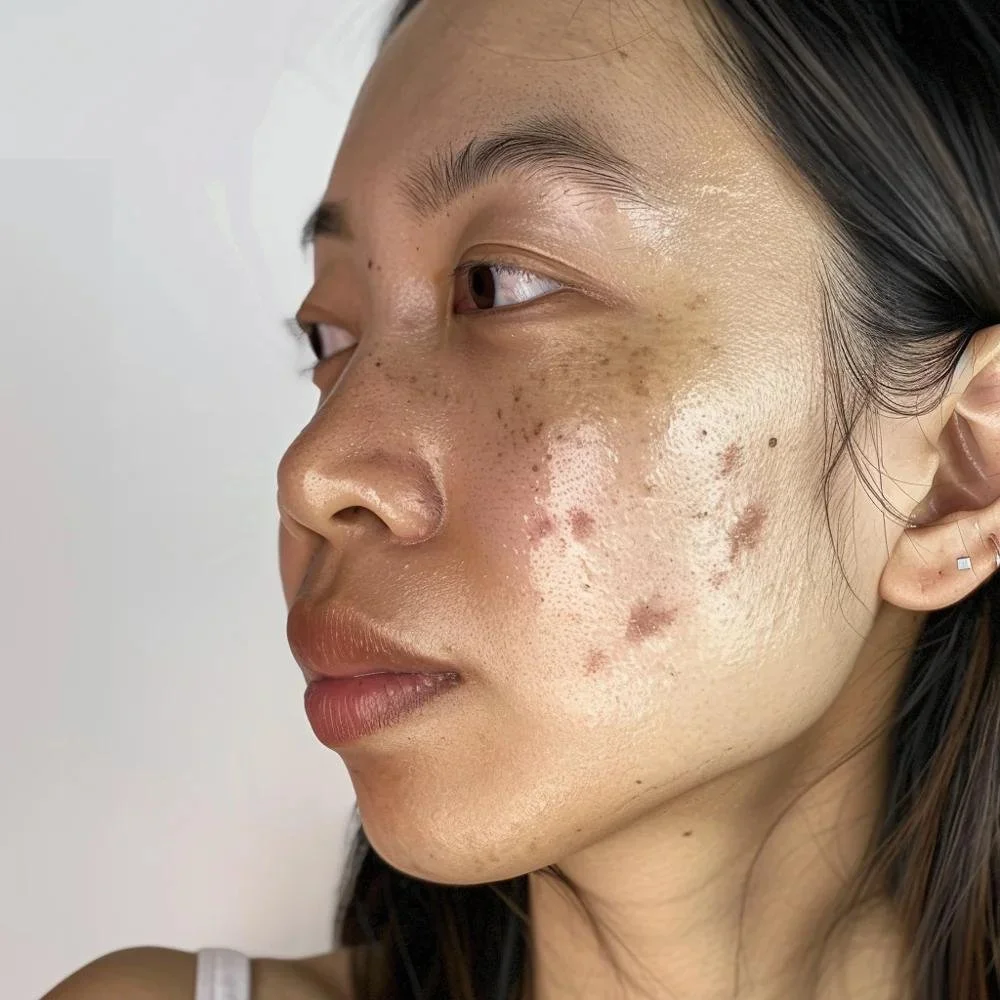
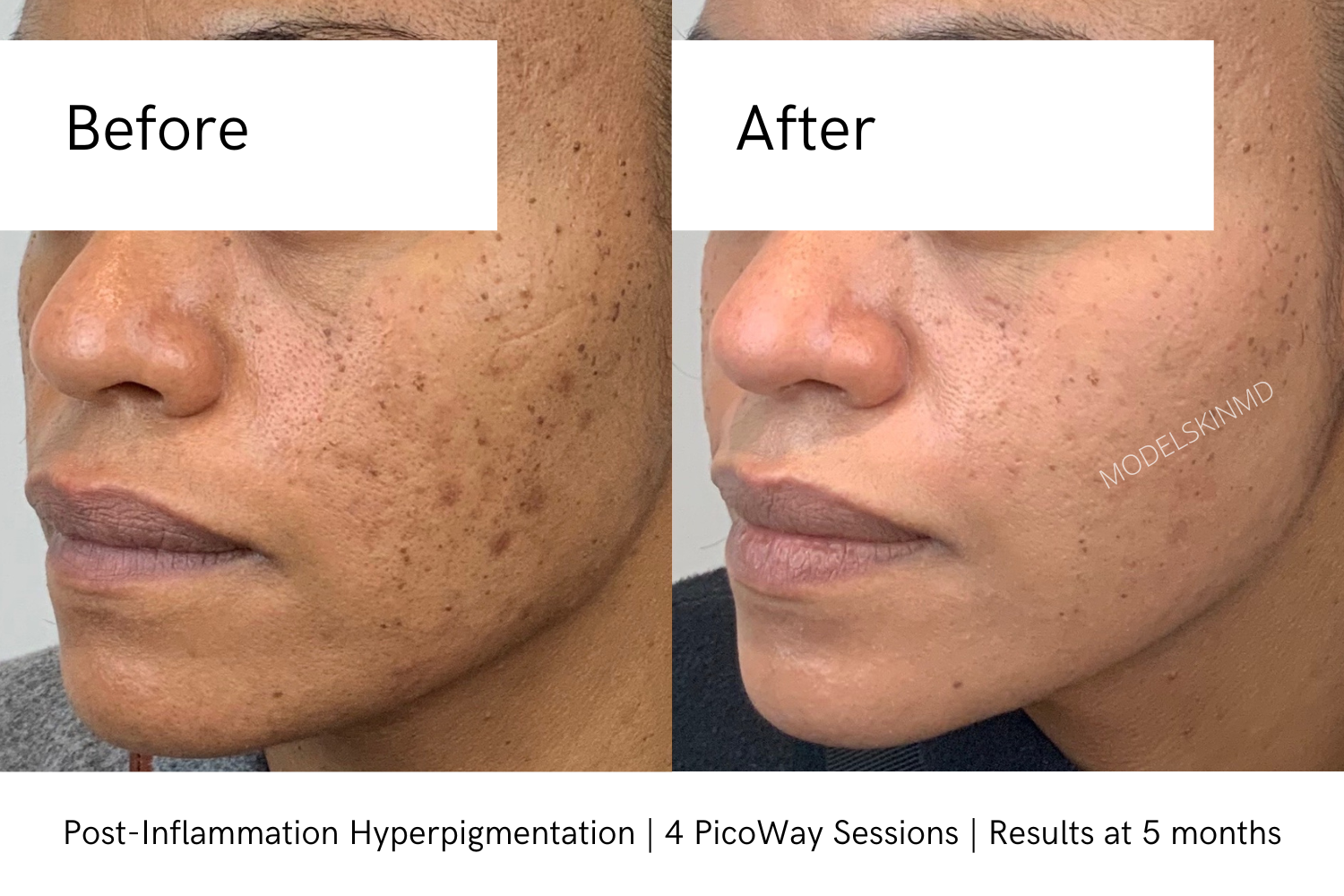
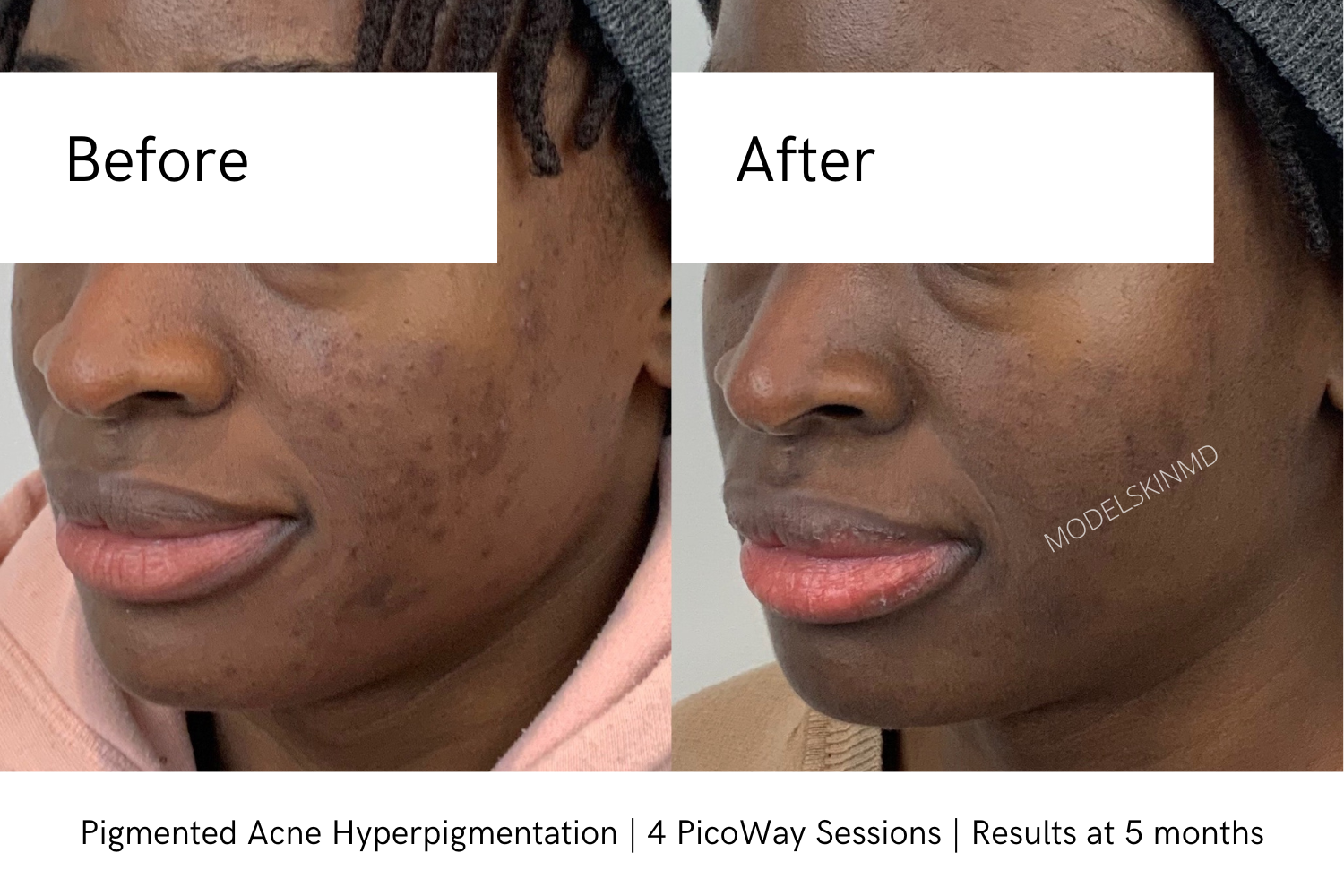
Post-inflammatory hyperpigmentation
Brown pigmentation seen after an inflammatory reaction has occurred, such as acne or injury.
Tattoos
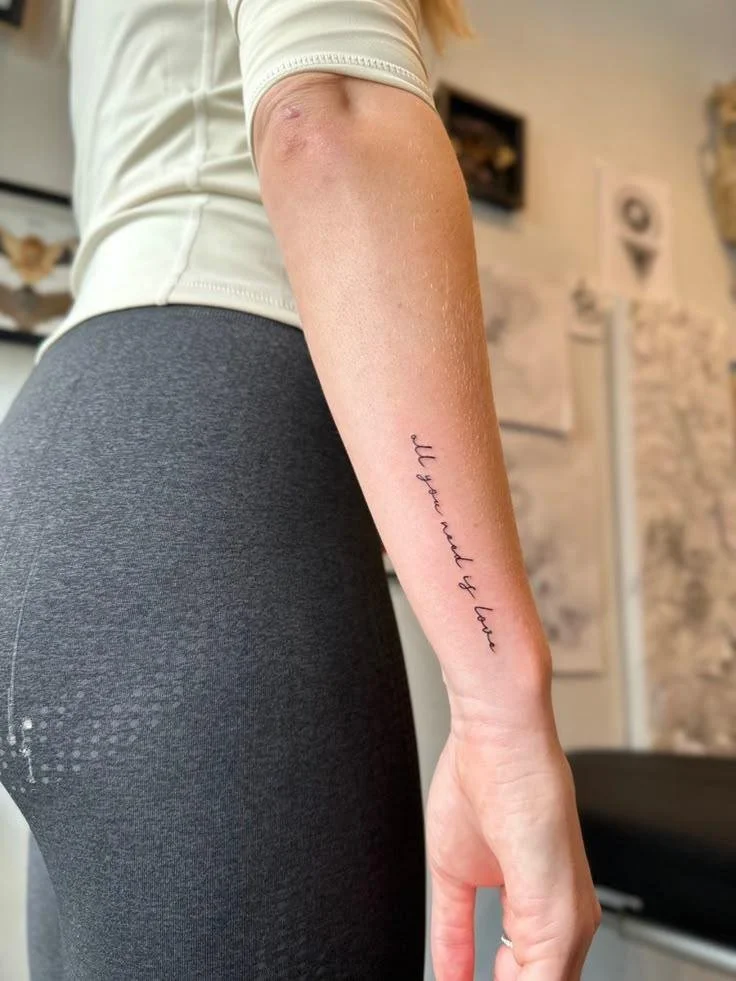
All colours, such as black, blue, green, and red can be treated. Microbladed eyebrows also count as tattoos!
Why choose PicoWay® at Model Skin MD®?
-
Our medical director, Dr. Eric Wang, will review your skin diagnosis, areas of involvement, past medical history, and build a treatment plan that is suitable for you.
-
Fitzpatrick 4 or darker skin types may require additional expertise to avoid post-inflammatory hyperpigmentation.
-
Dr. Wang has a unique combination approach to treating melasma using the Melasma Clearance Protocol™, involving Picoway laser, lightening skin booster, oral tranexamic acid, and topical lighteners.
-
We realize that every pigmentary concern is unique, and this should be reflected in your treatment plan.
Starting price
$600
per session
Consultation
You will meet with Dr. Eric Wang, our medical director, to discuss your unique skin concerns. Based on your skin analysis, he will discuss with you a recommended treatment plan.
Procedure day
You are recommended to come to clinic without make up. You should also avoid using retinol or topical acid exfoliation 3 days prior to the procedure. The laser will usually take around 30 minutes. We will provide you with post-care skincare regimen, including mineral sunscreen after the treatment.
Recovery and treatment planning
The PicoWay® laser has a very short downtime, with most patients recovering fully after 24 hours. Most will experience mild temporary redness and swelling.
We usually recommend most patients complete a series of 4 laser treatments, spaced 1 month apart. Your unique treatment schedule will be reviewed with you.
How it works
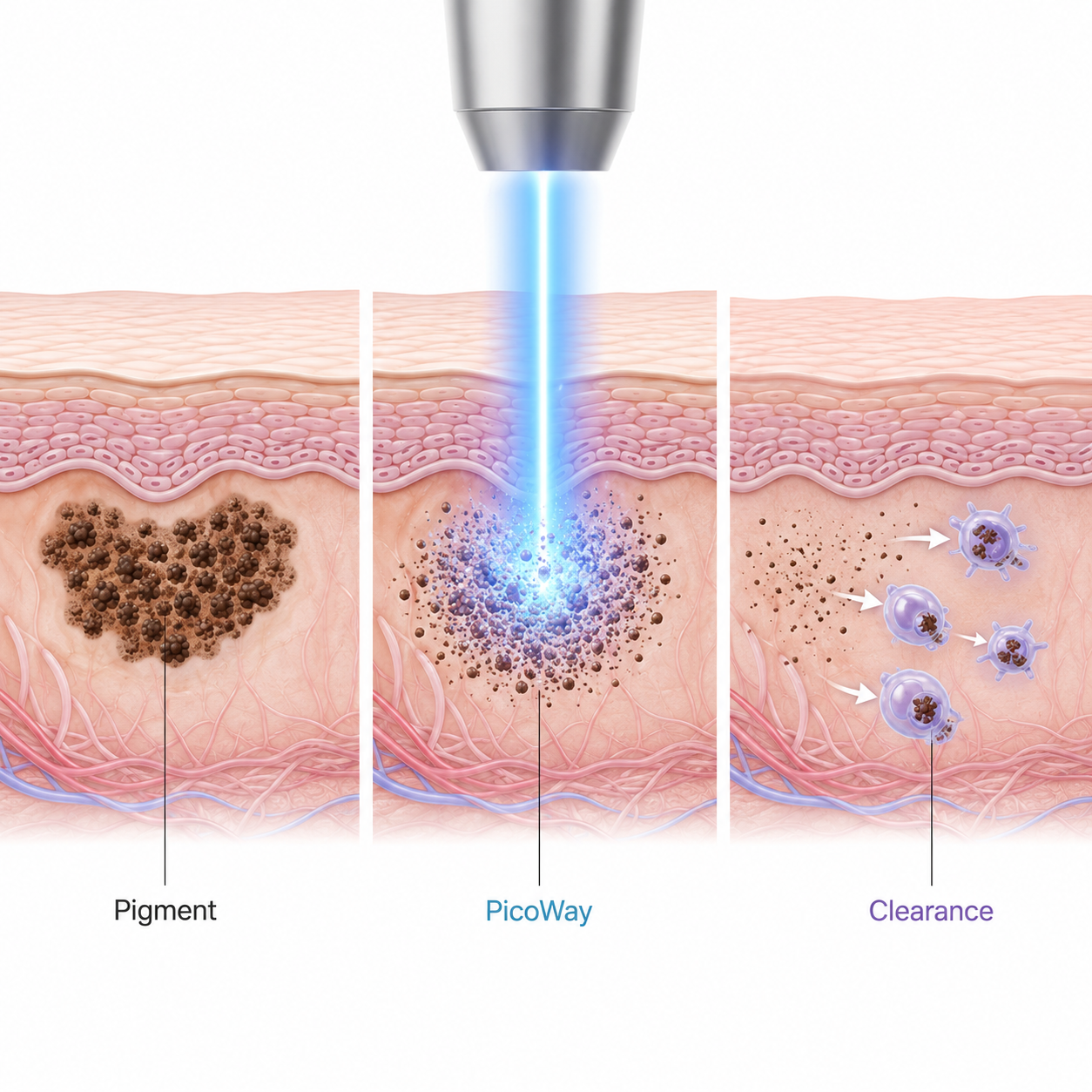
PicoWay® uses ultra-short pulses of laser energy measured in picoseconds (trillionths of a second) to target unwanted pigment within the skin. This rapid delivery of energy creates a photoacoustic effect that shatters pigment into tiny particles, allowing the body's natural immune system to gradually clear them away.
Because PicoWay relies more on mechanical energy and less on heat compared to many traditional lasers, it can effectively treat pigmentation while minimizing injury to surrounding tissue. This may translate to improved comfort, reduced downtime, and a lower risk of unwanted pigment changes in suitable candidates.
Frequently Asked Questions
-
The number of treatments depends on the condition being treated, the depth of the pigment, and your individual skin response. While most pigments will show improvement after a single treatment, most cases will require multiple sessions for the best outcome. During your consultation, we will create a customized treatment plan based on your skin concerns and goals.
-
PicoWay may be used as part of a comprehensive melasma treatment plan for selected patients. Because melasma is a chronic pigment disorder influenced by factors such as genetics, hormones, and sun exposure, laser treatment alone is often not sufficient. At Model Skin MD, we use the Melasma Clearance Protocol™, where PicoWay is frequently combined with lightening skin boosters, oral medications, and medical skincare, to help achieve the best possible results while minimizing the risk of recurrence.
-
Yes. PicoWay's ultra-short picosecond pulses are designed to target pigment while minimizing heat transfer to surrounding tissue, making it a suitable option for many patients with Asian skin tones. However, every patient's skin is unique. A consultation is important to determine whether PicoWay is appropriate for your specific condition and skin type.
-
Most patients tolerate PicoWay treatments very well. The sensation is commonly described as similar to a rubber band snapping against the skin. Depending on the treatment area and settings used, a topical numbing cream may be recommended to improve comfort. Treatments are typically quick, and any discomfort generally resolves immediately afterward.
-
For most pigment treatments, many patients can resume wearing makeup the following day. Depending on the treatment performed and your skin's response, you may experience temporary redness, mild swelling, or darkening of pigmented spots. Your provider will give you personalized post-treatment instructions based on your treatment plan.
-
After treatment, it is important to:
Avoid direct sun exposure whenever possible
Wear broad-spectrum sunscreen daily
Avoid picking or scratching treated areas
Follow any skincare instructions provided by your provider
Avoid excessive heat exposure, such as hot tubs, saunas, and vigorous exercise, for the period recommended by your provider
Proper aftercare helps optimize results and reduce the risk of complications.
-
Results can be long-lasting, particularly for sun spots, freckles, and certain benign pigmented lesions once they have been successfully treated. However, ongoing sun exposure and the natural aging process can contribute to the development of new pigmentation over time. Maintaining good sun protection habits is essential for preserving your results.
-
It depends on the type of pigmentation being treated. Sun spots and freckles that have been successfully removed often do not return, but new spots may develop with future sun exposure. Conditions such as melasma and post-inflammatory hyperpigmentation can recur, especially if underlying triggers remain present. Long-term maintenance and sun protection are often important parts of managing these conditions.