Melasma Clearance Protocol™
Skin Pigment Brightening in Vancouver
A structured combination treatment plan designed to target visible pigmentation from multiple angles.
-
Dr. Wang’s proprietary low-heat pigment-focused laser strategy intended for melasma-prone skin.
-
In-clinic brightening treatment aimed at reducing visible, uneven tone and reinforcing skin clarity.
-
Oral pigment management can be effective in targetting stubborn or recurring melasma, when used under medical supervision.
-
A tailored skincare plan is essential to maintain the effects of the in-clinic treatments.
Starting price
$855+
per session
Consultation
Our medical director, Dr. Eric Wang, will evaluate your pigment pattern, treatment history, triggers, skin tone, and candidacy for laser, prescription skincare, and systemic options.
Procedure day
On the day of your procedure, a topical numbing cream may be used to anesthetize your skin prior to treatment. Depending on your specific case, Picoway™ laser and skin booster may be administered. After the treatment, our team will complete the finishing touches on your skin, including application of SPF 50+ sunscreen.
Recovery & next steps
Our team will ensure that your post-treatment process goes smoothly. Your oral and home skincare regimen will be discussed in detail before you leave the clinic.
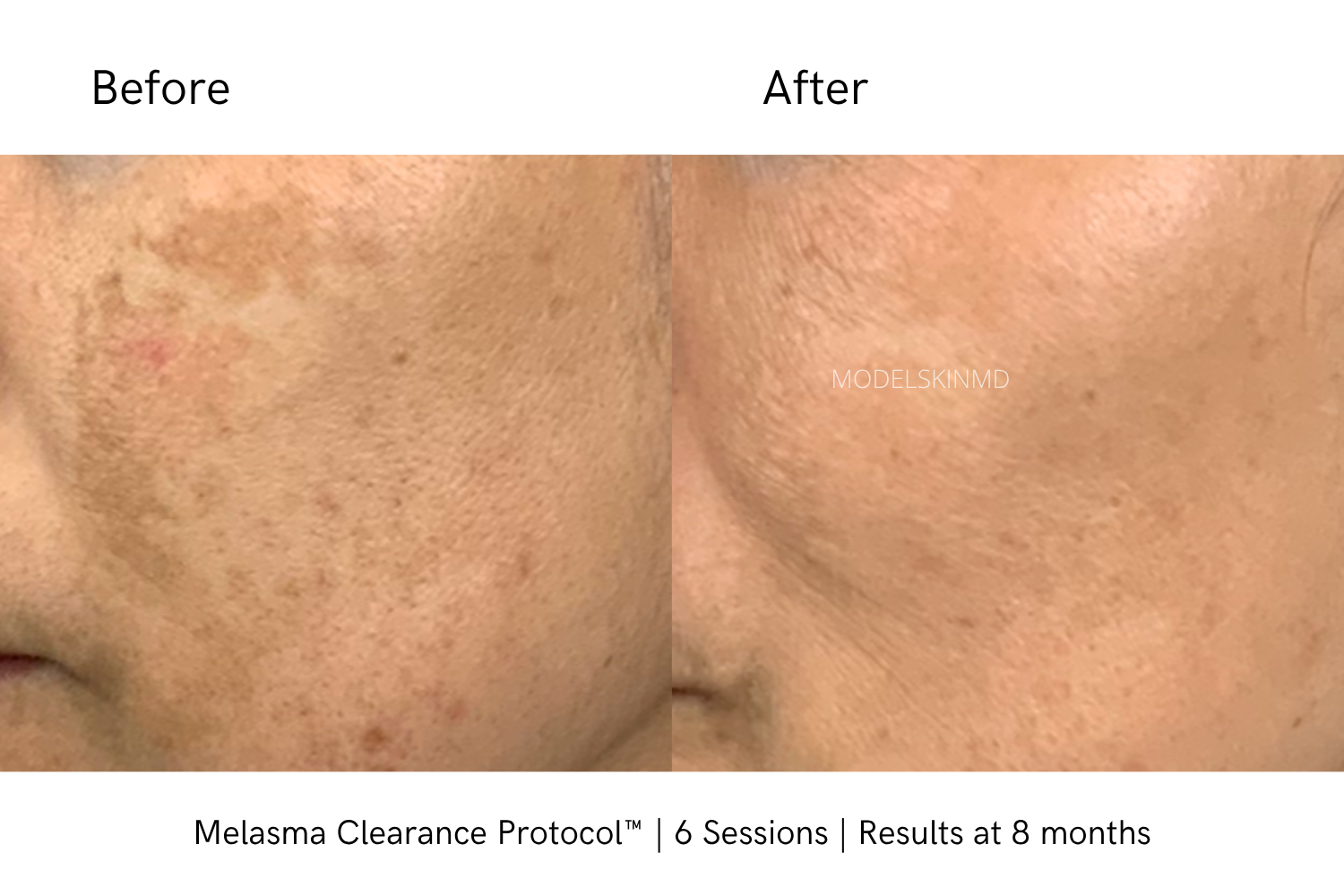
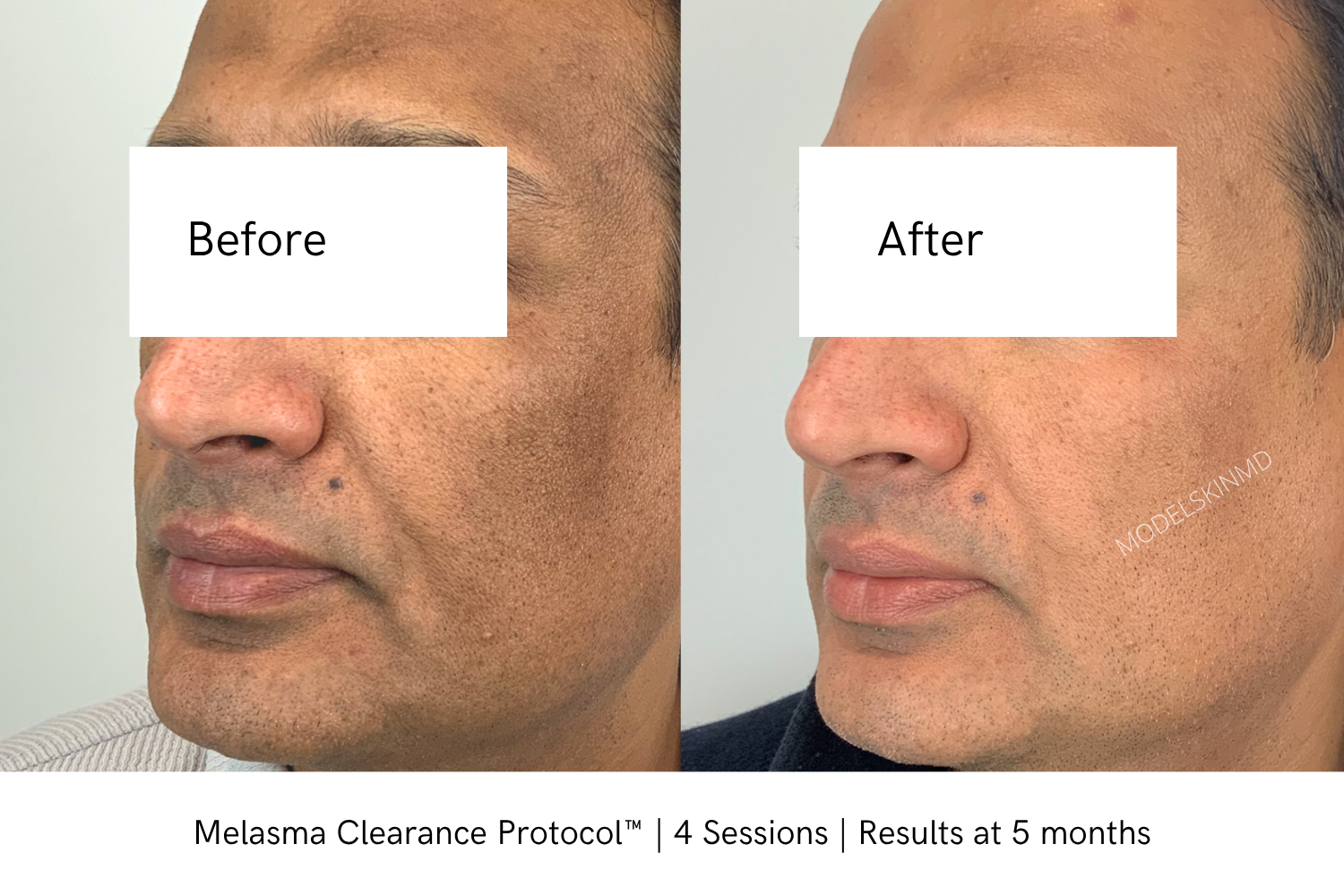
Our medical director, Dr. Wang, advises that most people complete an introductory series of 4 sessions, spaced every few weeks. After the initial treatment sessions are complete, most patients return for follow up treatments on a less frequent schedule to help maintain their results.
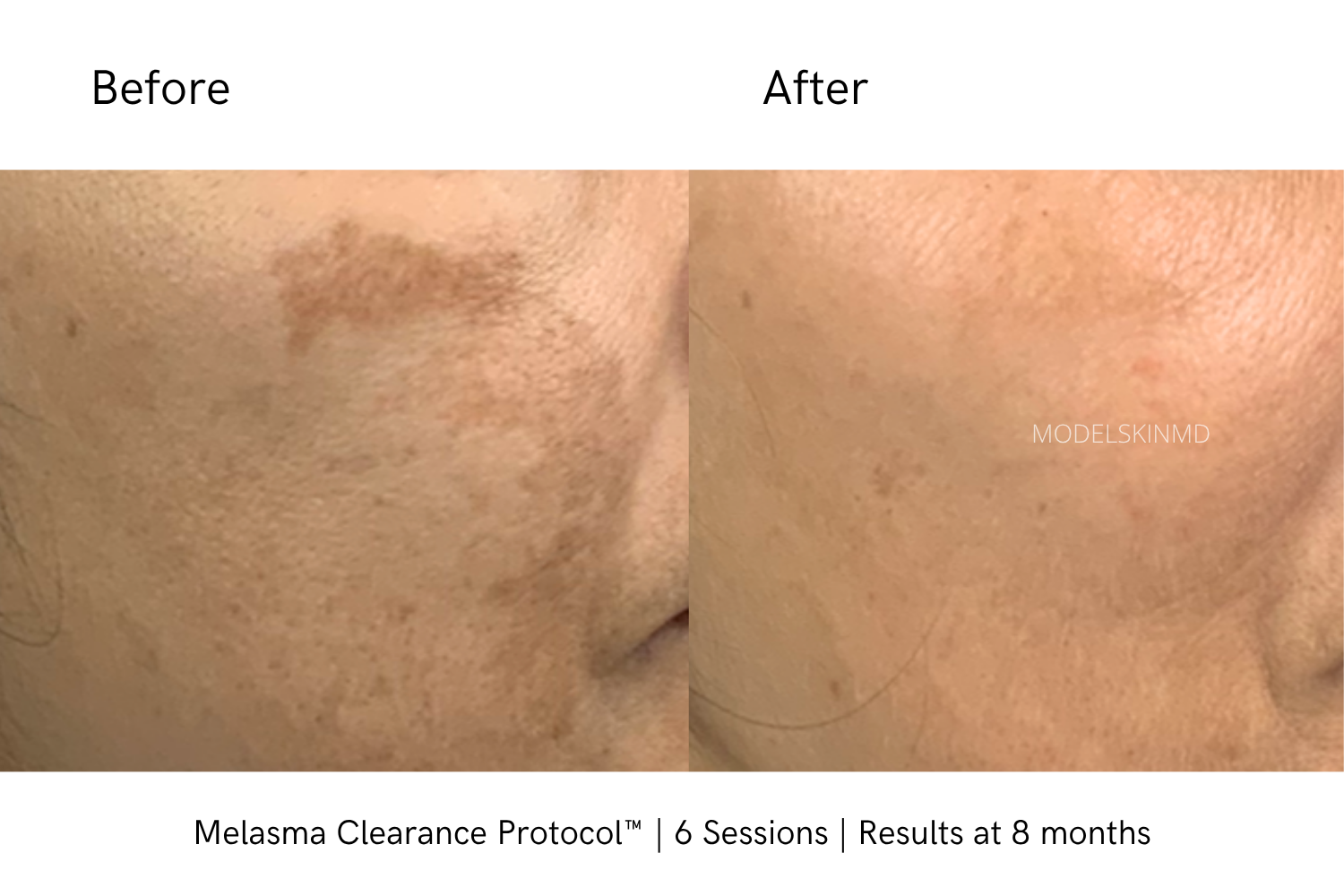
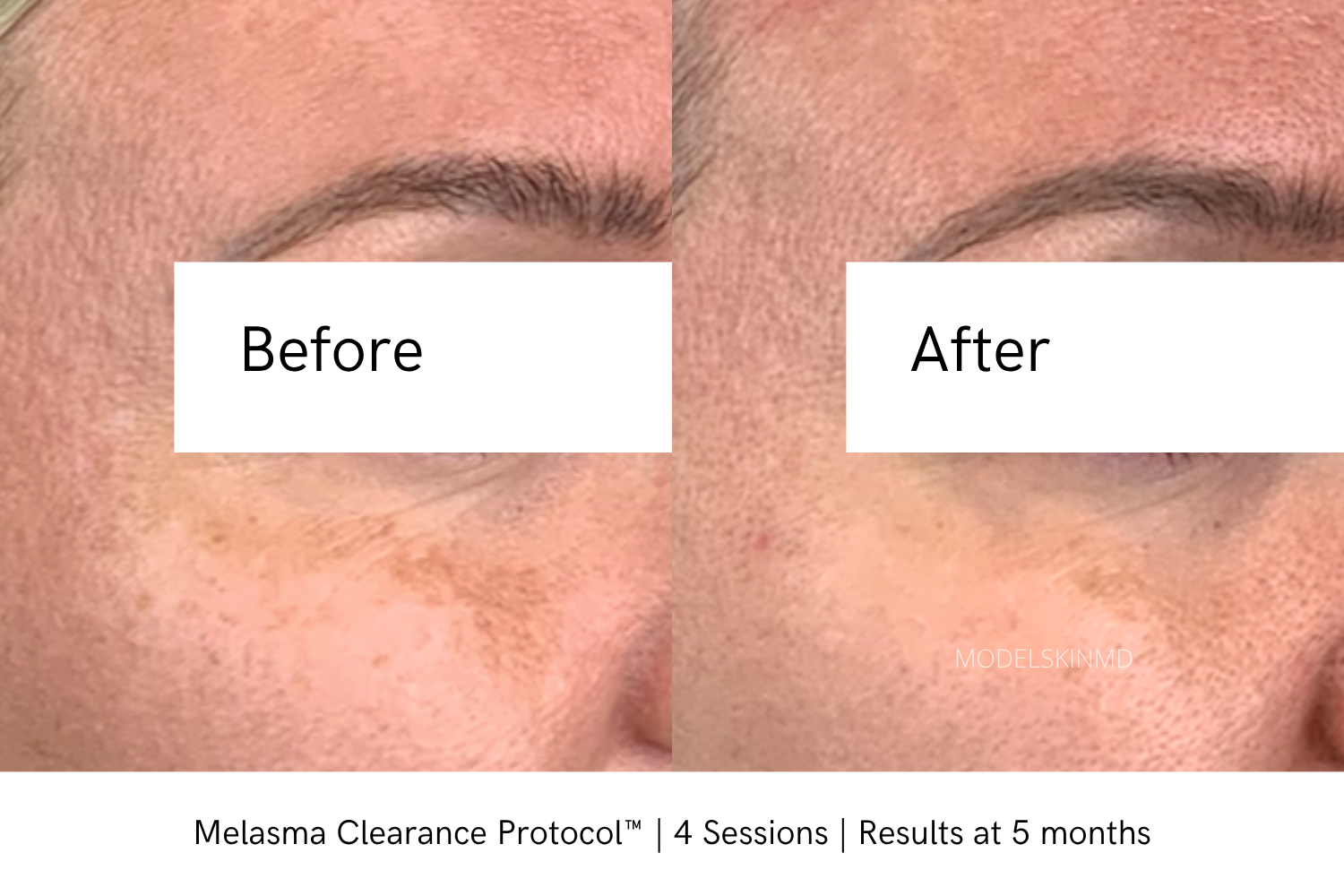
Each step supports the next
Step 1
PicoWay laser with melasma settings
Uses Dr. Wang’s proprietary PicoWay settings developed specifically for melasma.
Aims to address pigment with a lower-heat strategy compared with more aggressive resurfacing approaches.
Part of a broader protocol rather than a one-time standalone fix
Step 2
Brightening skin booster
In-clinic skin lightening treatment.
Complements laser treatment rather than replace it.
Effective way of blocking the pigment-producing pathway inside the skin.
Step 3
Oral tranexamic acid
This prescription medication works through pathways involved in pigment production and has shown promising results in improving melasma when used under medical supervision.
Step 4
Topical skincare regimen
Hydroquinone can help reduce excess pigment production and is often used as part of a customized treatment plan for melasma.
Topical tranexamic acid, kojic acid, and niacinamide expand the formula with supportive brightening pathways.
How do the treatments work?
Melasma often requires a combination of topical, oral, and procedural treatments. At Model Skin MD, treatment plans are individualized based on the severity of pigmentation, skin type, and previous treatment history.
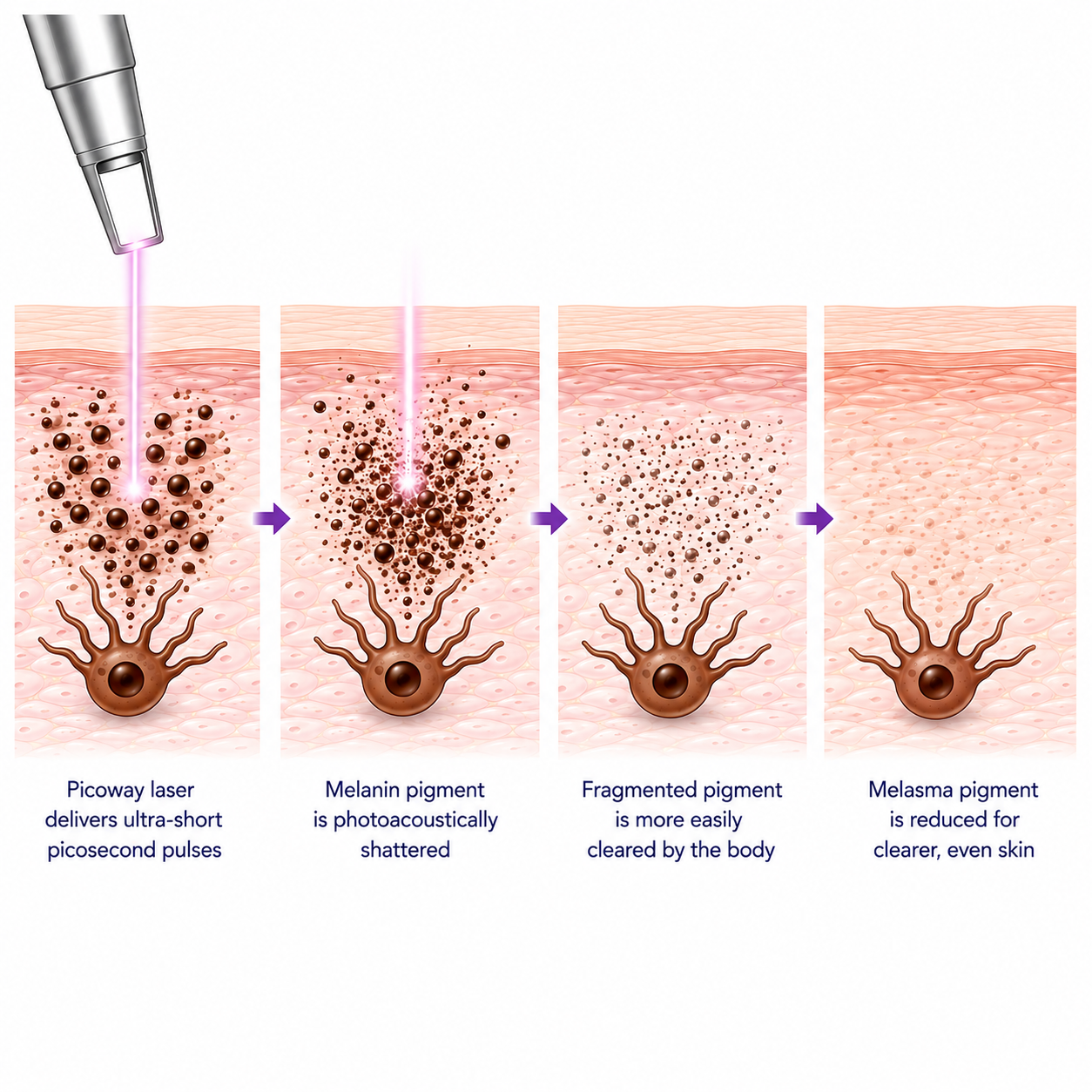
1. Picoway™ with melasma setting
Using low-heat protocol of the Picoway™ laser to shatter melasma melanin. The broken-down pigment particles usually rise to the skin surface or are flushed away internally.
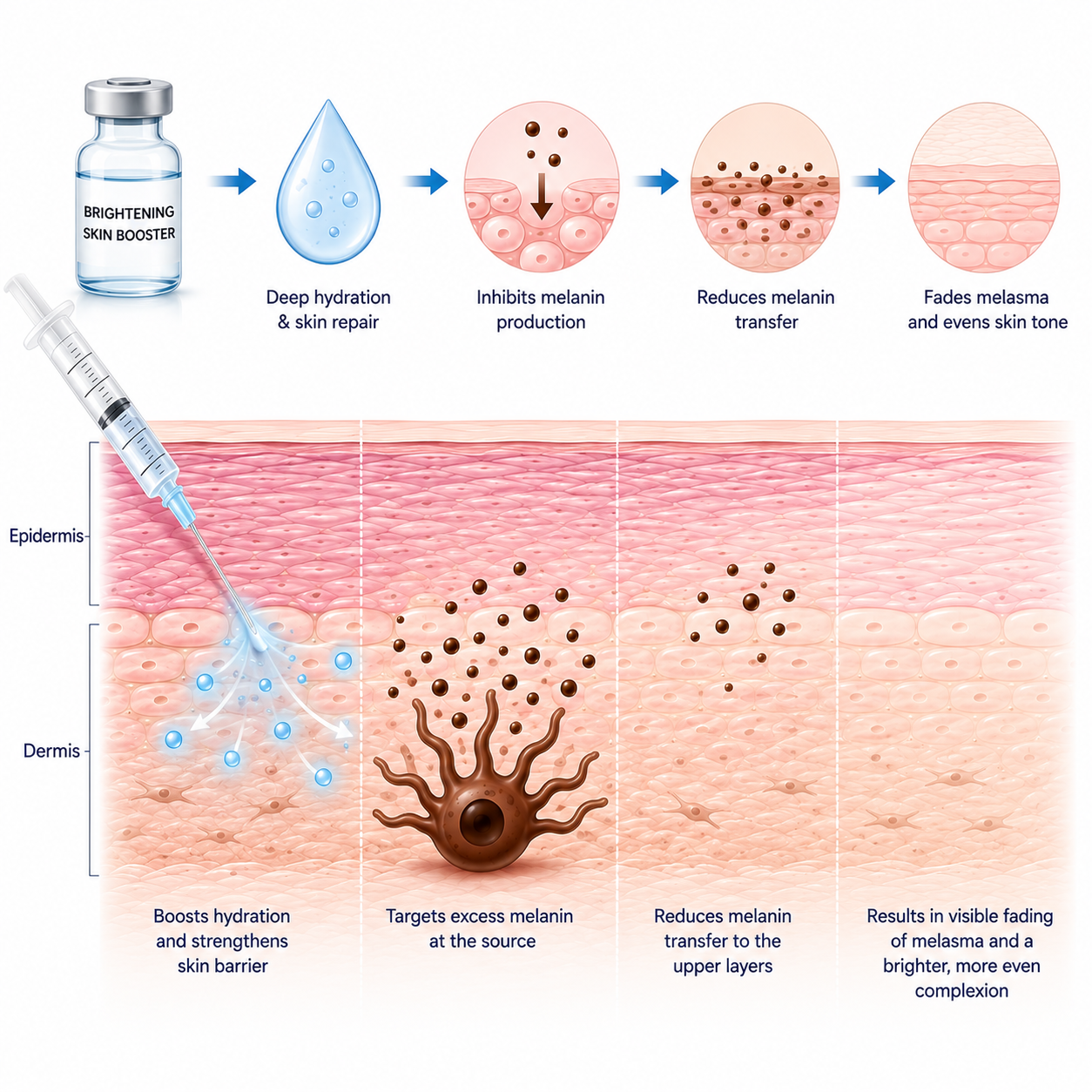
2. Skin brightening skin booster
The brightening skin booster inhibits melanin production and reduces melanin transfer. The result is a brighter and more even complexion.
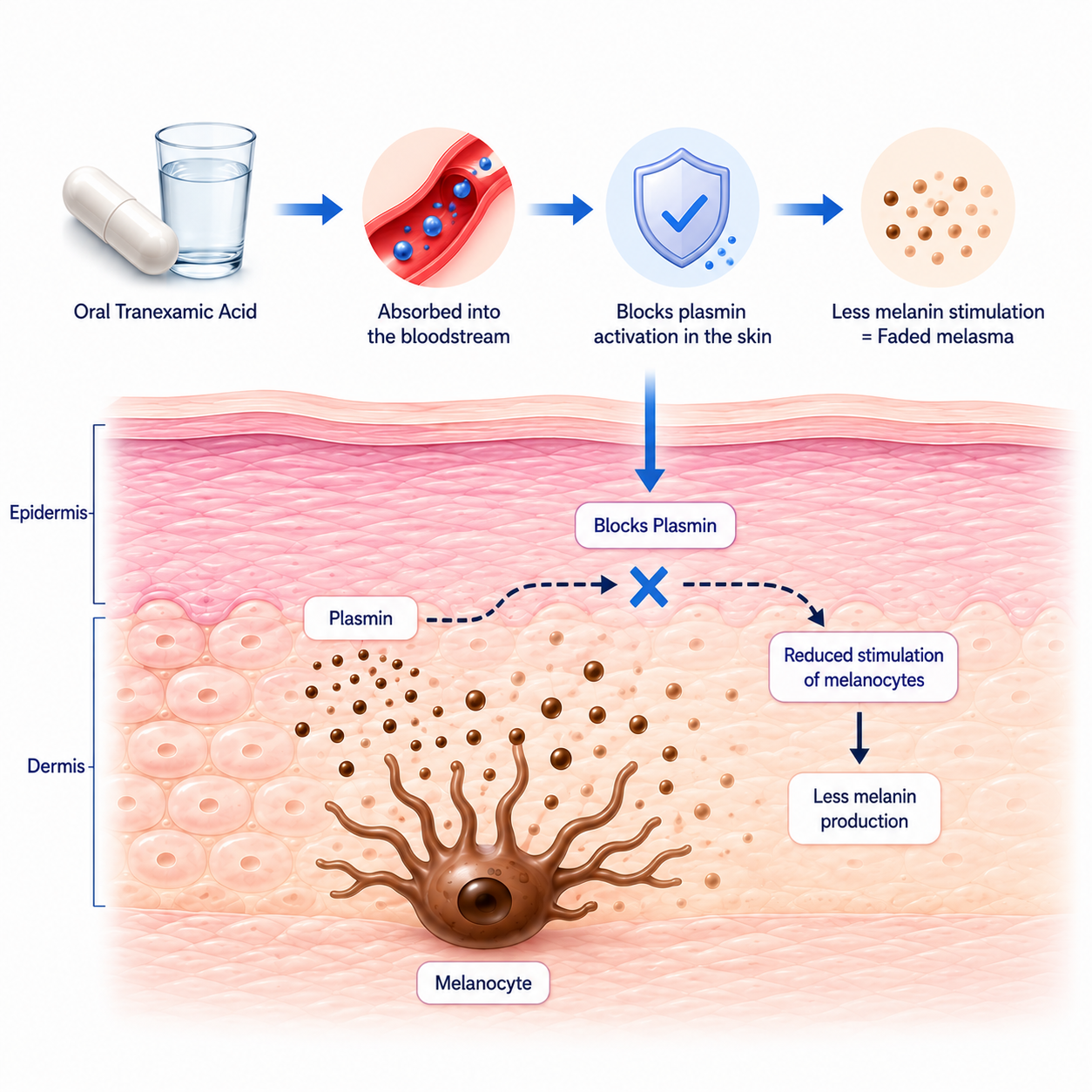
3. Oral tranexamic acid
The oral intake of tranexamic acid allows it to have an effect in all skin cells, whereby causing an overall improvement in skin brightness.
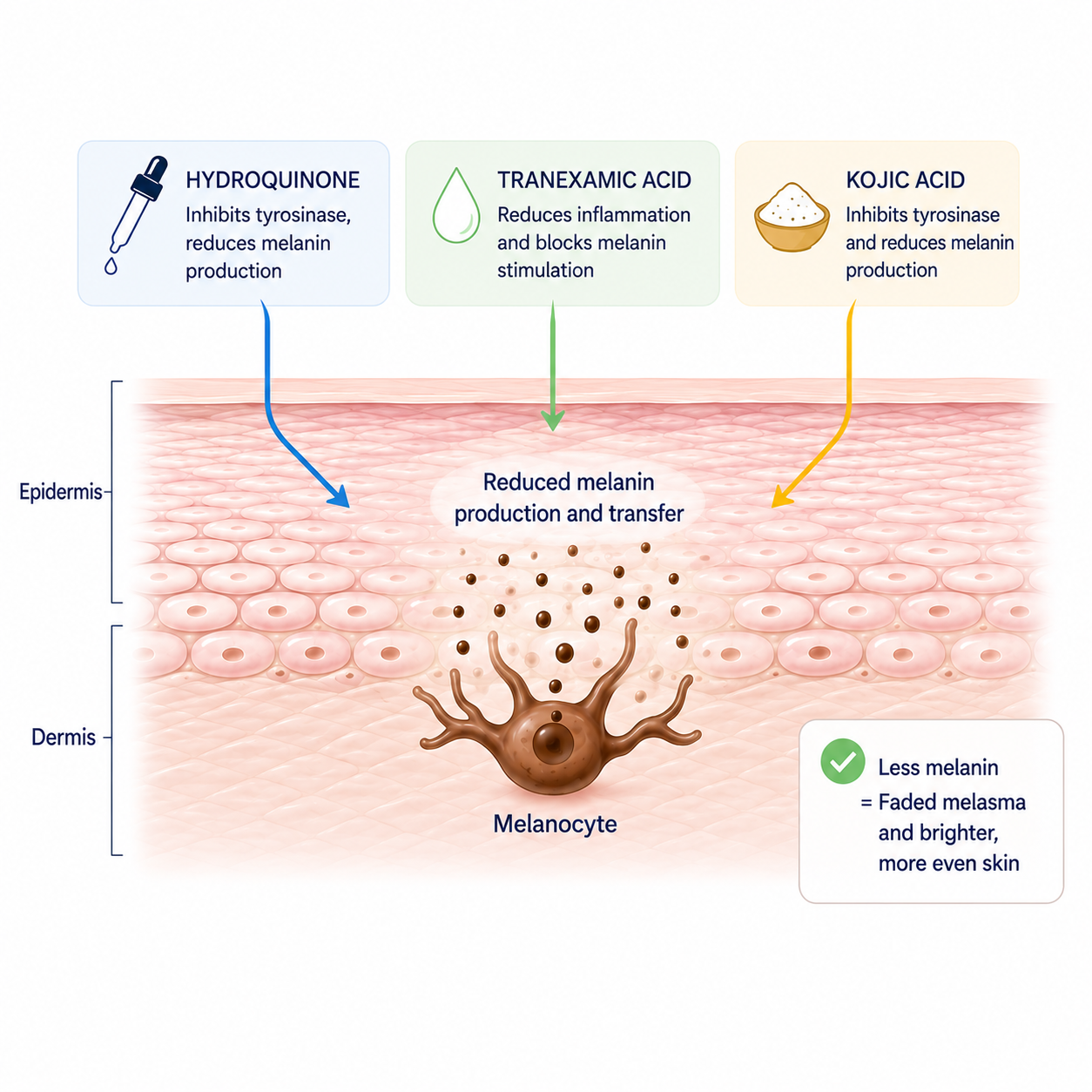
4. Topical skin lightener regimen
Your at-home skincare regimen is an important piece of the puzzle in maintaining the results of your in-clinic treatments.
Frequently Asked Questions
-
This treatment protocol is best suited for patients dealing with recurring patchy pigmentation who need a structured treatment plan rather than a single standalone service. Final suitability should always depend on consultation, skin assessment, medical review, and physician judgment.
-
Treatment frequency varies based on severity, skin response, recurrence history, and how well maintenance is followed.
However, for most cases, we recommend a 4-session series.
-
No. Oral tranexamic acid is a prescription medical treatment that requires screening for contraindications, risk factors, and physician approval before use.
-
Melasma often relapses, especially with UV exposure, heat, hormones, and inflammation. Maintenance helps preserve results after procedural treatment and reduces the chance of rebound darkening.